
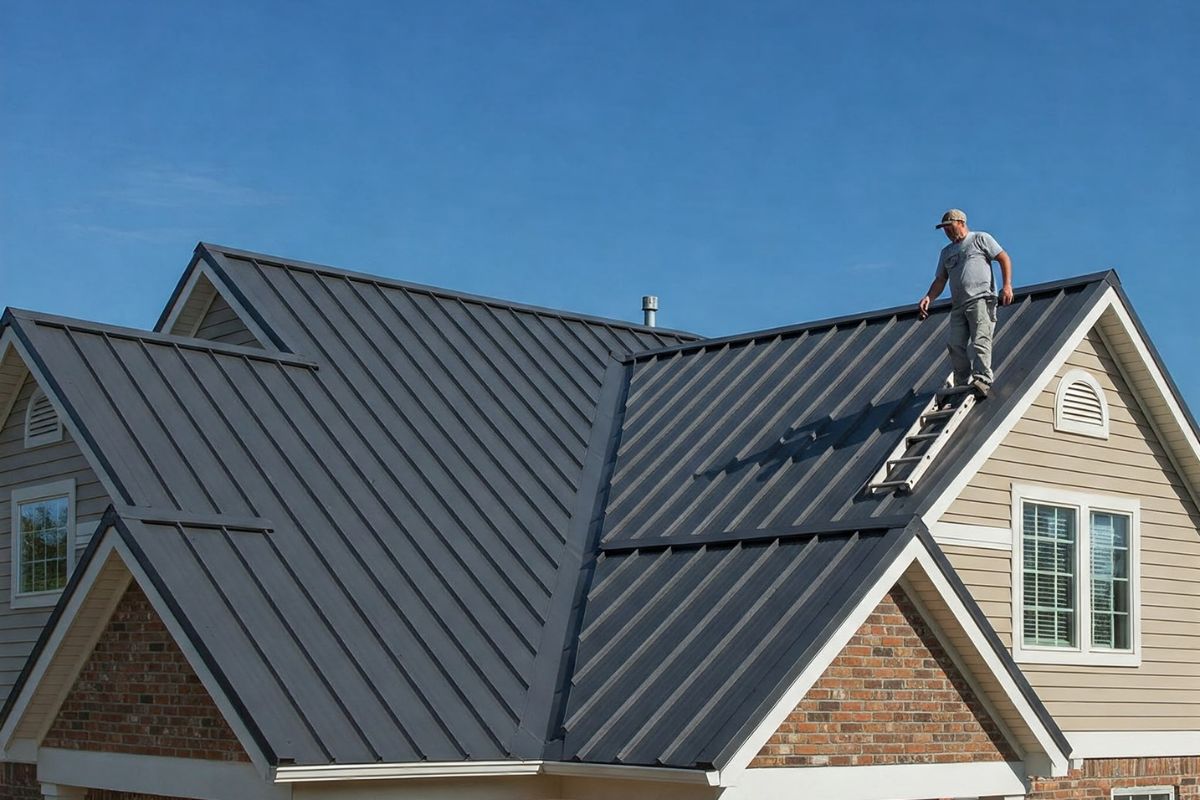
When I first started painting roofs, I thought I knew what weather could do to a building. I’d spent years in Adelaide, working under dry heat and long summers. Then I moved to Queensland, picked up a job as a house painter on the Gold Coast, and realised I was in a completely different world.
The funny thing is, South Australia and Queensland had one big thing in common: people were happy to spend serious money on painting their homes – inside and out – but most still ignored the roof.
Leaving Adelaide: Dry Heat and Dust
In Adelaide, I’d grown used to a certain rhythm. Summers were hot and dry, winters could be cool, but humidity wasn’t usually the main story. Roofs there copped a lot of UV and temperature swings. Paint would chalk and fade, metal would slowly start to show signs of surface rust, tiles would dry out and become brittle over time.
A lot of houses had lighter-coloured roofs or older tiles that had lost their original finish. Dust from dry spells would settle into every nook and cranny. Gutters filled with leaves from gums and deciduous street trees, but you didn’t usually see thick carpets of moss or mould.
Most of my work there involved dealing with faded coatings, chalky surfaces and small rust spots. Once you cleaned and prepped properly, a good coating system could perform well for a long time in that drier climate.
First Impressions of Queensland: Same Country, Different Roofs
When I came to Queensland, I started out on the Gold Coast, working as a house painter like I always had. From the outside, it seemed familiar enough: people wanted fresh interiors, clean exteriors and modern colours. But once I started looking closely at the roofs, I realised this wasn’t just Adelaide with palm trees.
The air felt thicker. Humidity was higher, especially in summer. Storms built up fast in the afternoons. I noticed how quickly mould, algae and lichen could appear, both on walls and especially on roofs. Surfaces that would stay relatively clean for years in Adelaide seemed to go green or black in a fraction of the time in Queensland.
I began taking on jobs up towards Brisbane as well, and the story was similar there. Same pattern: lovely fresh paintwork at eye level, roofs covered in stains, growth and general grime.
South Australia and Queensland looked different on a map, but they shared one habit that bugged me: money poured into house painting while the roof above it all was treated as “out of sight, out of mind”.
Trees, Shade and Leaf Litter
One of the big changes I noticed was the trees. Parts of Adelaide are quite leafy, but a lot of suburbs are more open and drier. In Brisbane and the Gold Coast, many roofs sit under or right next to dense canopies.
Shady spots that rarely see direct sunlight stay damp after rain or heavy dew. That’s perfect breeding ground for mould, algae and lichen on tiles and metal sheets. You also get a lot more debris: fine leaf litter, seed pods and flowers dropping into valleys, gutters and around skylights.
Instead of just the occasional gum leaves to deal with, I was clearing gutters packed with a mix of different leaves, twigs and sludge. That extra organic matter holds moisture and speeds up corrosion, especially on older metal roofs and fixings.
Birds, Bats and Rooftop Mess
The birdlife changed too. Adelaide has its fair share of pigeons and other regulars, but in South East Queensland the cast of characters gets bigger. You see more ibises, mynas, lorikeets and cockatoos on and around roofs. In some areas you also have flying foxes moving through at night.
All of that means more droppings, nesting material and noise. Bird and bat droppings aren’t just unattractive; they’re acidic and can be harsh on paint, sealants and metal over time. Nests tucked under solar panels or near ridges can trap moisture and debris.
It doesn’t take long before a nice, clean roof starts to look patchy and dirty if it isn’t washed and checked regularly.
Salt, Sea Air and the Gold Coast Factor
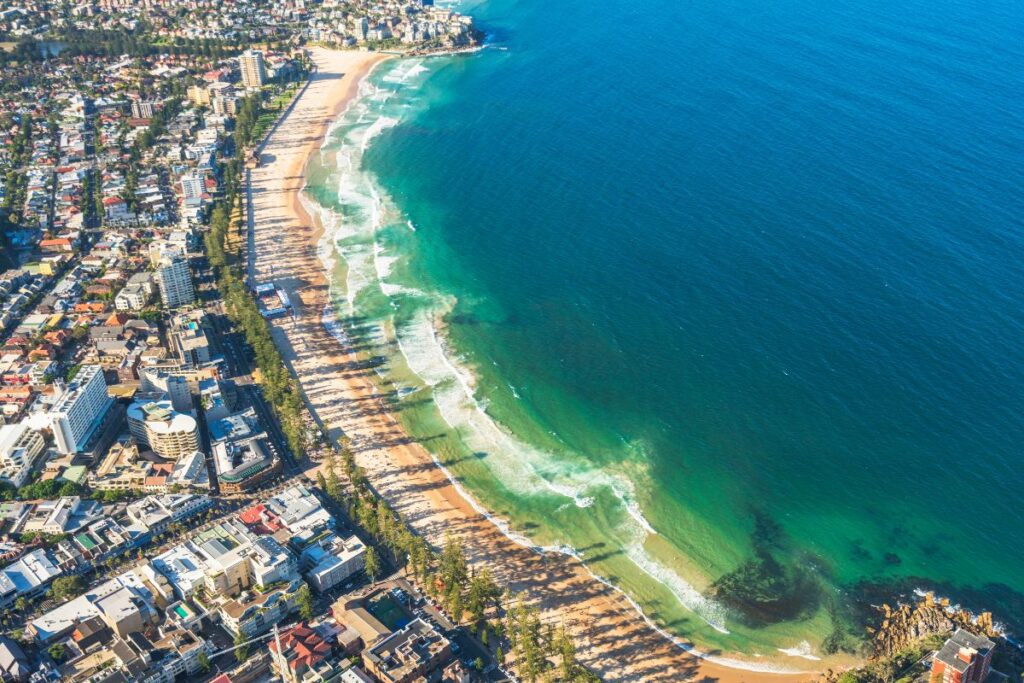
Working close to the coastline added another layer to the story. The Gold Coast brings salt into the mix, especially on homes and buildings within a few kilometres of the beach.
Salt spray doesn’t always arrive as obvious “sea mist” that you can feel. It can be a fine, invisible film that slowly builds up on roofs, gutters and fixings. Add wind-driven rain and storms to that, and you get faster corrosion on exposed metal surfaces and fittings compared with many inland roofs in Adelaide.
Even when I used similar products to what I’d trusted down south, I had to accept that coastal roofs often needed:
- More frequent cleaning and inspection
- Tougher, coastal-grade coatings and compatible primers
Same paint name on the tin, very different working environment.
Storms, Hail and “Big Weather”
Adelaide can throw up some serious weather, but the intensity and frequency of summer storms in Brisbane and along the Gold Coast was something else again.
Strong winds, heavy rain in short bursts and the risk of hail meant roofs had a harder, more sudden workload. Before coating a roof in those areas, I had to be even more fussy about checking for impact damage, lifted screws, cracked tiles and loose ridge caps.
A coating system will only perform well if the roof underneath is sound. In storm-prone areas, I learnt that inspections and minor repairs weren’t optional extras; they were essential steps before any serious coating work.
Adjusting How I Worked
The move from Adelaide to Queensland forced me to adjust my approach. I found myself putting more emphasis on thorough washing, including the use of appropriate biocides to deal with mould and algae. High-pressure cleaning alone wasn’t enough in shaded, damp areas.
Product choices shifted too. I leaned more towards systems with strong mould resistance, high UV stability and proven performance in tropical and coastal environments. I paid closer attention to how colours behaved under intense sun and humidity.
Timing mattered as well. In Adelaide, you could often plan long, dry stretches for roof work. In Queensland, you had to think around wet seasons, afternoon storms and humidity levels that could affect drying times and adhesion.
What Building Owners Can Take From This
Living and working across Adelaide, Brisbane and the Gold Coast taught me that roofs are “local creatures”. The same design, the same paint colour and even the same product can behave very differently from one city to another.
If you’re responsible for a building, it’s worth thinking about: the local climate (dry, humid, coastal, storm-prone), the trees around you, and the birds and other animals that visit your roof. All of these things influence how often you should clean, inspect and coat your roof, and what systems are suitable.
What never changed between Adelaide and Queensland was this: people were willing to spend good money making their homes look great at eye level, but many still treated the roof as an afterthought. My experience in three very different environments only reinforced my belief that the roof deserves the same attention as the walls, if not more.
That’s one of the main reasons I started this blog in retirement. If I can help more owners see their roofs as part of a living environment – shaped by climate, trees, birds and sea air – and not just a lid on the building, then the years I spent adapting to those differences will have been well spent.