One of the most common questions I’ve had over the years is this: does my roof actually need repainting, or is it just filthy?
The tricky part is that a dirty roof can look worse than it really is, while a failing coating can sometimes hide under a layer of grime until it suddenly becomes a problem. I’ve seen this on houses, warehouses and shopping centres, from Adelaide to professional roof cleaning on the Gold Coast and everywhere in between.
The good news is there are some simple signs that help you work out what your roof really needs.
How Roofs Age: Dirt Versus Damage
Every roof collects mess over time. Dirt, pollution, mould, algae, lichen, bird droppings and stains from leaf litter all build up, especially in damp or shaded areas. That’s normal, and on a sound roof, most of it can be removed with proper cleaning.
Separate to that, the coating itself ages. Sun and UV break down paint and membranes. You get chalking, fading, cracking and eventually peeling. On metal roofs, rust starts around screws, laps and flashings. On tiles, the original surface wears away, leaving them more porous and brittle.
If you only look at the dirt, you’ll sometimes assume the roof is “stuffed” when it’s actually in decent shape. If you ignore the condition of the coating, you can miss the signs that it’s no longer doing its job.
Signs a Professional Clean May Be Enough
There are a few clues that tell me a roof is probably due for a proper wash rather than an urgent repaint. In general, a professional clean is often enough when:
- The roof looks dull or dirty, but the colour underneath is still even once it’s wet
- There’s no obvious peeling, flaking or bare patches in the existing coating
- Metal roofing shows little or no rust, just grime and stains
- Tiles feel solid underfoot and aren’t crumbling or rough like sandpaper
- Gutters and valleys are clogged with leaves and sludge, but the roof surface itself seems intact
On these roofs, once you’ve cleared the gutters, applied the right cleaners and washed everything properly, the roof usually looks “revived” rather than patchy. You might still choose to repaint for a new colour or extra life, but you’re not under the pump to do it immediately.
What a Good Roof Clean Really Does
A proper professional clean is more than blasting away at the roof with a high-pressure gun. Done properly, it should include a site check, safe access, removal of loose debris, appropriate chemicals for mould and algae, and controlled pressure tailored to the roof type.
Cleaning strips off the film of grime so you can actually see what’s going on. Once the dirt and growth are gone, problems like cracked tiles, rusted screws, loose flashings and worn patches become obvious. That’s when you can make a sensible call about whether paint is needed now or later.
It’s important to remember that cleaning is maintenance, not a makeover. It can’t magically fix a coating that’s already failing.
Clear Signs Your Roof Is Due for Painting
On the other side of the equation are roofs that really are ready for a repaint or full coating system. These are the signs I look for:
- Patchy or uneven colour that still looks blotchy even after rain
- Chalking – a fine powder that comes off on your hand or shoes when you walk on the roof
- Peeling, flaking or crazed (cracked) paint, especially along laps, ridges and edges
- Bare metal, bare tiles or obvious worn-through spots where the previous coating has disappeared
- Rust around screws, joints and flashings, not just light discolouration
- Roof surfaces that heat up very quickly, suggesting the old coating has lost thickness and reflectivity
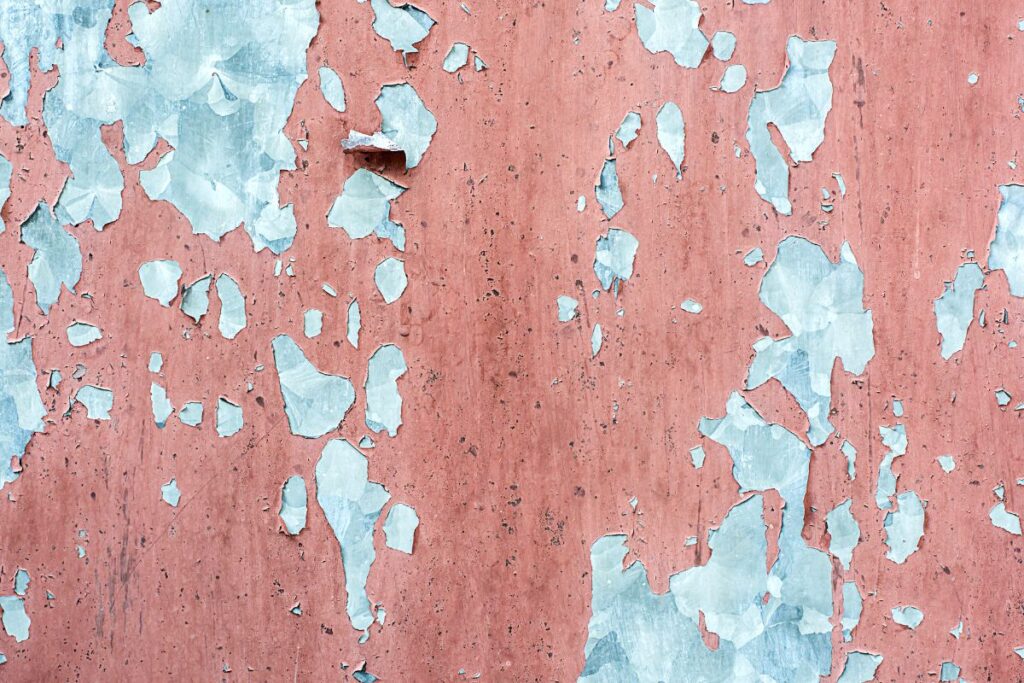
These are more than cosmetic issues. They’re telling you the protective layer between the weather and your roof structure is breaking down. In these cases, just cleaning the roof might make it look tidier for a little while, but it won’t stop the damage continuing underneath.
When Cleaning Alone Won’t Cut It
Sometimes mould and algae come back quickly after every clean. That’s often a sign the coating has become too porous and worn. In other cases, people have had their roofs blasted over and over again, stripping off what little protection was left and exposing the base material.
In coastal or high-UV areas like the Gold Coast, roofs can reach the end of their coating life sooner than owners expect, especially if cheaper products were used last time. If you’re seeing repeated staining, fast regrowth of mould, or rust pushing through soon after each wash, it’s usually time to stop paying for more cleaning and start planning a proper repaint.
Cleaning First, Then Deciding
One of the most sensible approaches is to treat cleaning and coating as two steps in the same process. Start with a thorough professional clean and inspection.
After cleaning, some roofs surprise their owners in a good way and look almost new; they can often go a few more years before repainting. Others reveal bare patches, cracks and rust that weren’t noticeable under the grime.
At that point you can use photos, basic checks like feeling for chalking, and a conversation with a decent contractor to decide whether to repaint the whole roof, patch and coat certain sections, or simply keep up with regular cleaning.
A Quick Word About DIY
It’s tempting to think you can grab a pressure washer and do it all yourself. I’ve seen plenty of DIY attempts over the years, and quite a few have gone badly. Too much pressure on the wrong nozzle can chip tiles, strip sound coating, push water under laps and flashings, and leave you with leaks you didn’t have before.
There’s also the safety side: roofs are slippery when wet, and a misstep can be unforgiving. A professional will understand how to move on different roof types, how to set up safe access, and how to choose the right combination of pressure and cleaning chemicals.
Other Factors That Affect the Decision
No two roofs are exactly the same, even on the same street. The right call depends on things like: the local climate (coastal or inland, high rainfall or mostly dry), the roof material (metal, concrete tile, terracotta, older fibre-cement), the age and quality of the last coating, and how important appearance is for the building.
A warehouse roof on an industrial estate might get stretched a bit longer between repaints, as long as it’s not leaking. A shopping centre or prominent commercial building usually needs tighter standards for both looks and performance.
Simple Rules of Thumb
If you’re trying to work out what to do without turning it into a science project, a few simple rules help:
- If the roof is mainly dirty and looks even underneath, start with a clean.
- If the coating is chalky, patchy or peeling, start planning for paint.
- If you’re unsure, get a professional clean and inspection, then decide based on what you can actually see.
Why Getting the Call Right Matters
Painting a roof too early can be a waste of money. Leaving a failing coating too long can end up costing a lot more in repairs, leaks and disruption to whatever happens under that roof. My aim, both on the tools and now in retirement, is to help owners understand what they’re really looking at when they stare up at a dirty roof. Once you know the difference between grime and genuine coating failure, you can have a much better conversation with any contractor offering professional roof cleaning on the Gold Coast or anywhere else – and make decisions that protect your building, not just its appearance