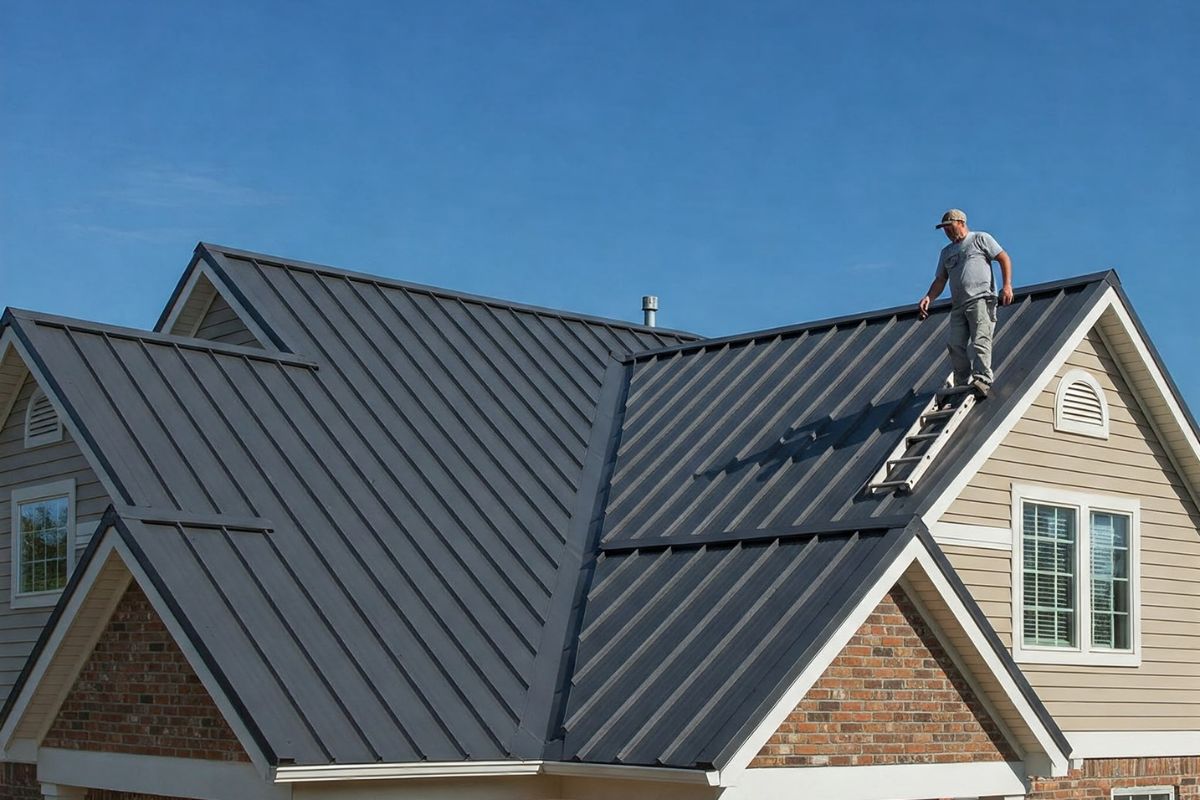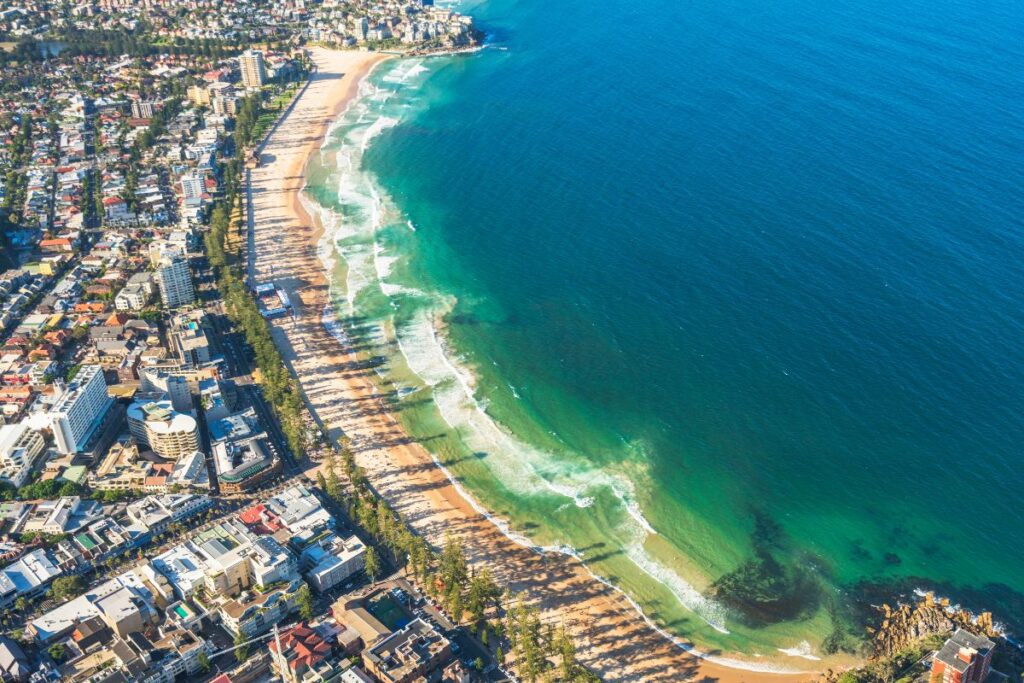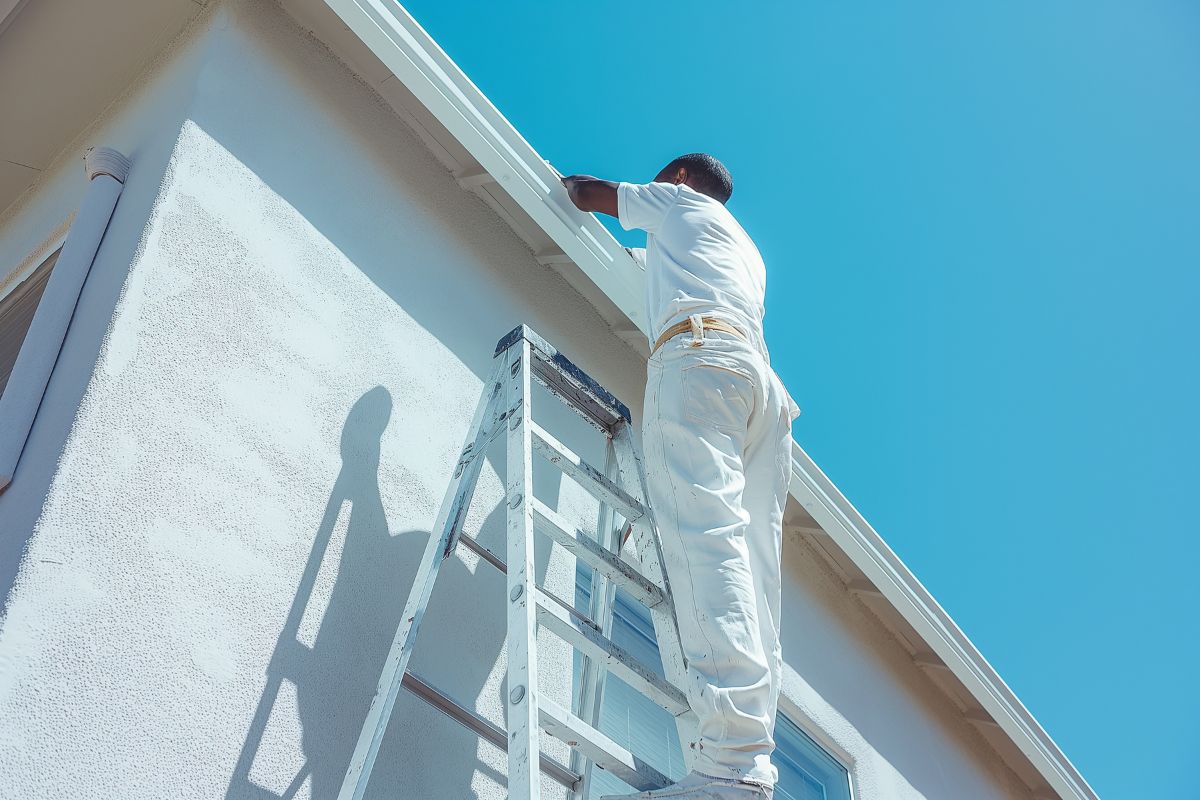
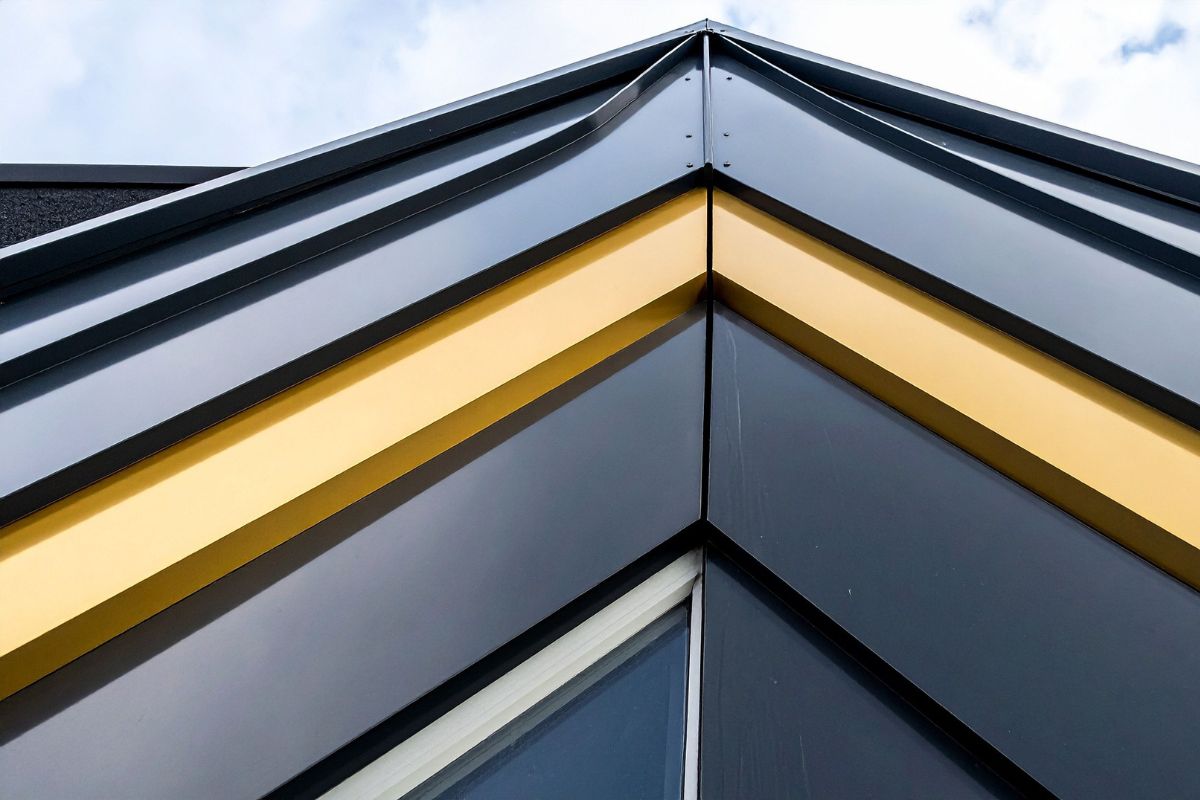
Does Your Roof Need Paint – Or Just a Proper Clean?

One of the most common questions I’ve had over the years is this: does my roof actually need repainting, or is it just filthy?

The tricky part is that a dirty roof can look worse than it really is, while a failing coating can sometimes hide under a layer of grime until it suddenly becomes a problem. I’ve seen this on houses, warehouses and shopping centres, from Adelaide to professional roof cleaning on the Gold Coast and everywhere in between.

The good news is there are some simple signs that help you work out what your roof really needs.

How Roofs Age: Dirt Versus Damage

Every roof collects mess over time. Dirt, pollution, mould, algae, lichen, bird droppings and stains from leaf litter all build up, especially in damp or shaded areas. That’s normal, and on a sound roof, most of it can be removed with proper cleaning.

Separate to that, the coating itself ages. Sun and UV break down paint and membranes. You get chalking, fading, cracking and eventually peeling. On metal roofs, rust starts around screws, laps and flashings. On tiles, the original surface wears away, leaving them more porous and brittle.

If you only look at the dirt, you’ll sometimes assume the roof is “stuffed” when it’s actually in decent shape. If you ignore the condition of the coating, you can miss the signs that it’s no longer doing its job.

Signs a Professional Clean May Be Enough

There are a few clues that tell me a roof is probably due for a proper wash rather than an urgent repaint. In general, a professional clean is often enough when:

  • The roof looks dull or dirty, but the colour underneath is still even once it’s wet
  • There’s no obvious peeling, flaking or bare patches in the existing coating
  • Metal roofing shows little or no rust, just grime and stains
  • Tiles feel solid underfoot and aren’t crumbling or rough like sandpaper
  • Gutters and valleys are clogged with leaves and sludge, but the roof surface itself seems intact

On these roofs, once you’ve cleared the gutters, applied the right cleaners and washed everything properly, the roof usually looks “revived” rather than patchy. You might still choose to repaint for a new colour or extra life, but you’re not under the pump to do it immediately.

What a Good Roof Clean Really Does

A proper professional clean is more than blasting away at the roof with a high-pressure gun. Done properly, it should include a site check, safe access, removal of loose debris, appropriate chemicals for mould and algae, and controlled pressure tailored to the roof type.

Cleaning strips off the film of grime so you can actually see what’s going on. Once the dirt and growth are gone, problems like cracked tiles, rusted screws, loose flashings and worn patches become obvious. That’s when you can make a sensible call about whether paint is needed now or later.

It’s important to remember that cleaning is maintenance, not a makeover. It can’t magically fix a coating that’s already failing.

Clear Signs Your Roof Is Due for Painting

On the other side of the equation are roofs that really are ready for a repaint or full coating system. These are the signs I look for:

  • Patchy or uneven colour that still looks blotchy even after rain
  • Chalking – a fine powder that comes off on your hand or shoes when you walk on the roof
  • Peeling, flaking or crazed (cracked) paint, especially along laps, ridges and edges
  • Bare metal, bare tiles or obvious worn-through spots where the previous coating has disappeared
  • Rust around screws, joints and flashings, not just light discolouration
  • Roof surfaces that heat up very quickly, suggesting the old coating has lost thickness and reflectivity
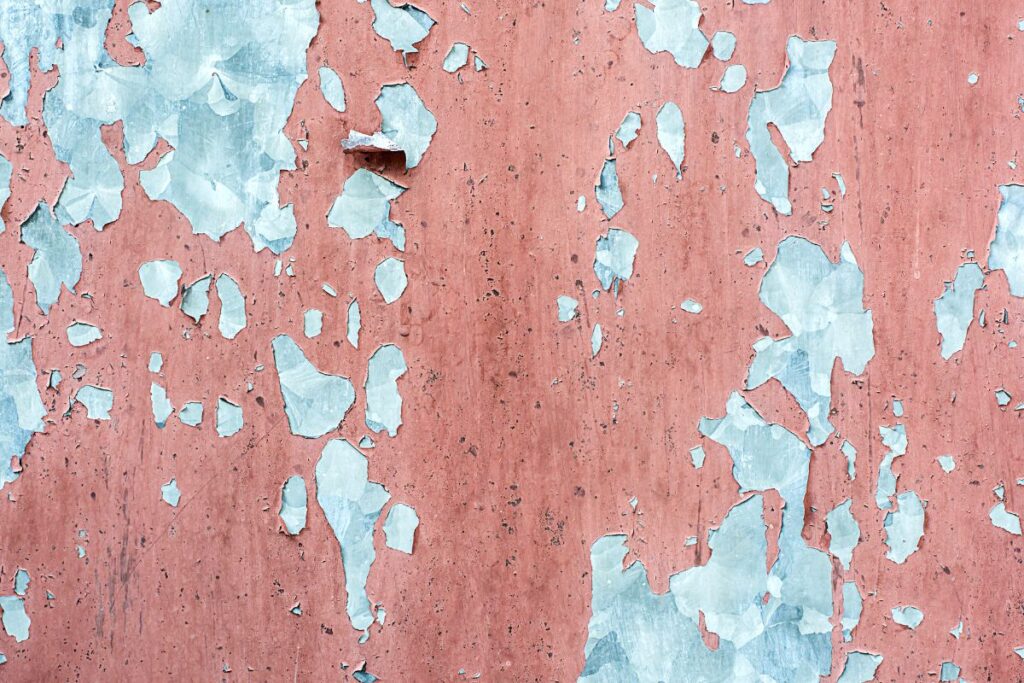
metal roof paint peeling

These are more than cosmetic issues. They’re telling you the protective layer between the weather and your roof structure is breaking down. In these cases, just cleaning the roof might make it look tidier for a little while, but it won’t stop the damage continuing underneath.

When Cleaning Alone Won’t Cut It

Sometimes mould and algae come back quickly after every clean. That’s often a sign the coating has become too porous and worn. In other cases, people have had their roofs blasted over and over again, stripping off what little protection was left and exposing the base material.

In coastal or high-UV areas like the Gold Coast, roofs can reach the end of their coating life sooner than owners expect, especially if cheaper products were used last time. If you’re seeing repeated staining, fast regrowth of mould, or rust pushing through soon after each wash, it’s usually time to stop paying for more cleaning and start planning a proper repaint.

Cleaning First, Then Deciding

One of the most sensible approaches is to treat cleaning and coating as two steps in the same process. Start with a thorough professional clean and inspection.

After cleaning, some roofs surprise their owners in a good way and look almost new; they can often go a few more years before repainting. Others reveal bare patches, cracks and rust that weren’t noticeable under the grime.

At that point you can use photos, basic checks like feeling for chalking, and a conversation with a decent contractor to decide whether to repaint the whole roof, patch and coat certain sections, or simply keep up with regular cleaning.

A Quick Word About DIY

It’s tempting to think you can grab a pressure washer and do it all yourself. I’ve seen plenty of DIY attempts over the years, and quite a few have gone badly. Too much pressure on the wrong nozzle can chip tiles, strip sound coating, push water under laps and flashings, and leave you with leaks you didn’t have before.

There’s also the safety side: roofs are slippery when wet, and a misstep can be unforgiving. A professional will understand how to move on different roof types, how to set up safe access, and how to choose the right combination of pressure and cleaning chemicals.

Other Factors That Affect the Decision

No two roofs are exactly the same, even on the same street. The right call depends on things like: the local climate (coastal or inland, high rainfall or mostly dry), the roof material (metal, concrete tile, terracotta, older fibre-cement), the age and quality of the last coating, and how important appearance is for the building.

A warehouse roof on an industrial estate might get stretched a bit longer between repaints, as long as it’s not leaking. A shopping centre or prominent commercial building usually needs tighter standards for both looks and performance.

Simple Rules of Thumb

If you’re trying to work out what to do without turning it into a science project, a few simple rules help:

  • If the roof is mainly dirty and looks even underneath, start with a clean.
  • If the coating is chalky, patchy or peeling, start planning for paint.
  • If you’re unsure, get a professional clean and inspection, then decide based on what you can actually see.

Why Getting the Call Right Matters

Painting a roof too early can be a waste of money. Leaving a failing coating too long can end up costing a lot more in repairs, leaks and disruption to whatever happens under that roof. My aim, both on the tools and now in retirement, is to help owners understand what they’re really looking at when they stare up at a dirty roof. Once you know the difference between grime and genuine coating failure, you can have a much better conversation with any contractor offering professional roof cleaning on the Gold Coast or anywhere else – and make decisions that protect your building, not just its appearance
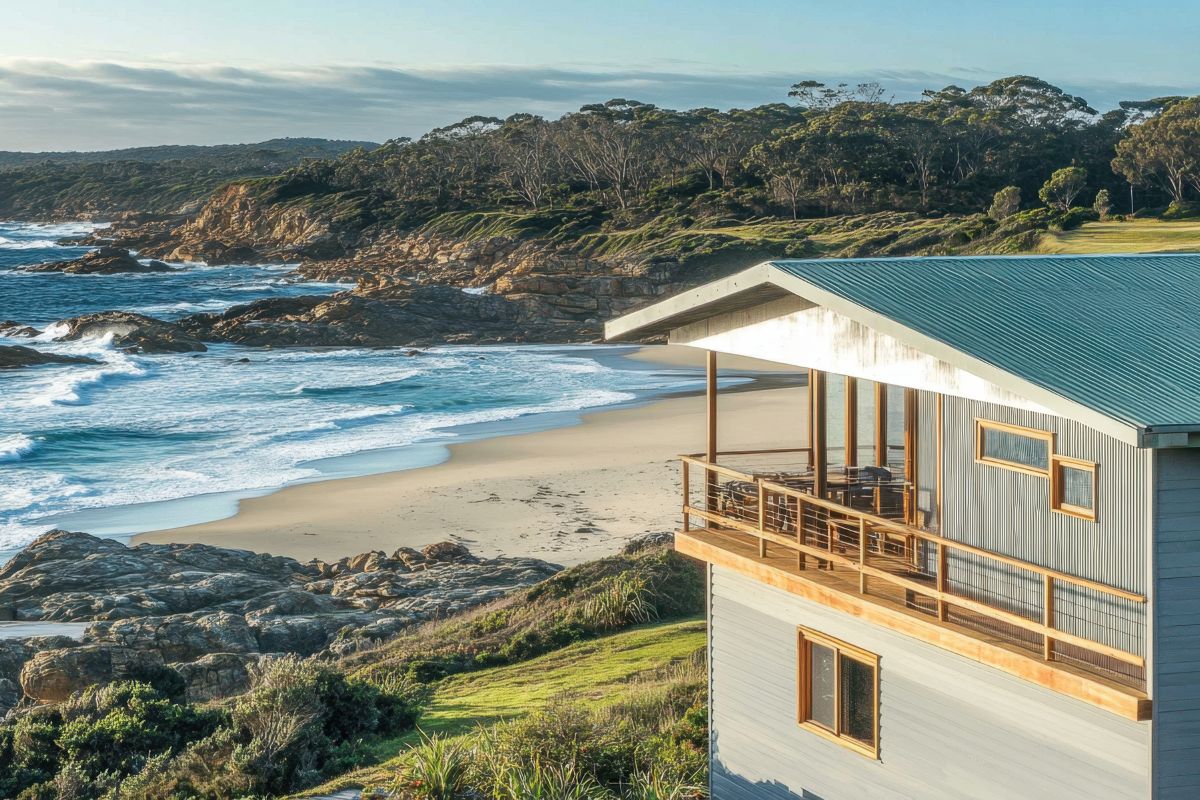
Surf, Sun and a Painter’s New Life in Queensland

People often assume I moved from Adelaide to Queensland purely for work, but the truth is a bit more personal. I’m a painter by trade, but a surfer at heart. After years of juggling my job with the short, chilly surf windows in South Australia, I eventually realised I wanted a life where I could be on a board far more often. Queensland offered that in spades — and, as it turned out, plenty of painting work too.

Growing Up in Adelaide: A Painter Who Couldn’t Stay Out of the Water

I started painting in Adelaide, learning the trade on houses and small commercial buildings. Like most apprentices in those days, I spent more time sanding, scraping and cleaning than actually painting, but I didn’t mind it. What really kept me going, though, was surfing.

Adelaide isn’t the first place people think of when you mention surf, but there are pockets of good surfing beaches if you’re willing to make the drives and brave the colder water. My weekends revolved around checking the wind, loading the car and making the most of whatever swells rolled in. It was a good life, but it wasn’t always reliable.

Between work, weather, and shorter summers, surfing down south was something I had to chase.

Why Queensland Kept Calling

On a trip to Queensland in my younger years, I got a taste of warm water and more consistent waves, and it stuck with me. I remember thinking, “Imagine being able to surf before work most days without freezing.”

Every time I visited, the idea grew stronger. The coastline, the climate, the community around the beaches — all of it appealed to me. And the painters I spoke to up there said the demand was steady, especially in the Gold Coast and Brisbane areas.

At some point it became clear: if there was ever a place where I could build a life around both painting and surfing, Queensland was it.

Making the Move: A Big Step, but the Right One

Moving states isn’t something you do on a whim. I weighed it up carefully — the cost of relocating, whether I’d find enough painting work, and how I’d build a network from scratch. But the pull was strong enough that I backed myself.

I didn’t move straight to the coast. Instead, I landed in southern Brisbane. It gave me access to both the city and the Gold Coast, which was important because I wasn’t sure where my work would come from at first. It turned out to be the perfect starting point.

Life in Southern Brisbane: A Foot in Each World

From southern Brisbane, I could reach Gold Coast beaches in about 40 minutes on a good run. I’d often wake early, check the swell online, and head down for a morning surf before quoting jobs or prepping for the day.

Painting work came through fairly quickly — a mix of domestic painting and some early roof projects. Builders and homeowners in the area were friendly and open to giving someone new a go. As the months passed, I found myself spending more and more time on the Gold Coast, both for waves and for work.

The drive became part of my routine — wetsuit hanging in the back of the ute, paint gear stacked neatly beside it.

Discovering the Gold Coast Rhythm

There’s something addictive about the pace of life on the Gold Coast. The mornings start early, the water is warm and clear, and the whole town feels built around daylight. It didn’t take long for me to feel at home.

I’d surf at sunrise, get on the tools by mid-morning, and sometimes sneak in a quick paddle again before dark. I also noticed that there was a huge demand for both house painting and roof work across the coastal suburbs. The combination of salty air, humidity and strong UV meant roofs needed far more care than many people realised.

Before long, I was getting more painting calls from Gold Coast locals than from Brisbane.

Becoming a Gold Coast Local

The shift happened gradually. At first it was one or two big jobs on the Coast. Then it became steady work — enough that the commute began feeling unnecessary. The more time I spent there, the more it made sense to live closer to the beaches I loved and the clients who were filling my schedule.

Eventually I moved down permanently. It didn’t feel like a risky leap — it felt like settling into the place I’d been aiming for all along.

Now my days start the same way:

  • Sunrise surf if the swell allows
  • A full day of painting or roof work
  • Sometimes another quick session in the afternoon if the wind swings the right way

It’s a routine that keeps me fit, focused and clear-headed. Painting can be hard work, especially roof painting, but having the ocean nearby balances everything out.

Balancing Work, Waves and a New Way of Living

One thing I learned from the move is that lifestyle can shape your work just as much as work shapes your lifestyle. In Adelaide, painting was what I did, and surfing was something I squeezed in. In Queensland, the two sit side by side.

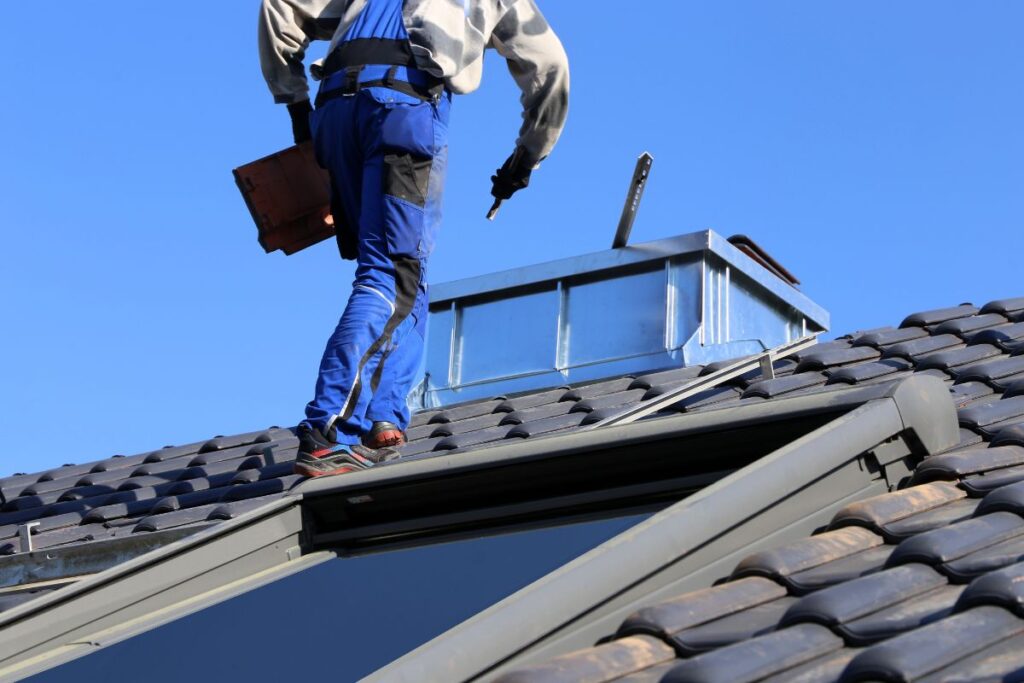
full day of painting roof

The warmer weather means I can work at a steady pace year-round. The surfing keeps me sharp and energised on the job. And the jobs themselves — especially roofs — make me appreciate the environment in a new way. Coastal weather, salty air and big summer storms all influence how I work and what products I recommend.

Living in a surfing town also made me more aware of the relationship between buildings and the climate around them. Roofs here need tougher coatings, better preparation and more regular maintenance than many southern homeowners realise.

What This Move Means

My journey from Adelaide to Brisbane and then to the Gold Coast shaped how I see roofs, weather, materials and maintenance. The differences between the two states taught me that roofs behave differently depending on where they are.

It’s one of the reasons I started writing — to share the things you only learn from being up on roofs in different climates and living close to the elements every day. Surfing may have brought me to Queensland, but painting kept me here. And together, both parts of life taught me more about buildings, weather and the coastal environment than I ever expected.

One Painter, Many Roofs

When I first started painting roofs, I thought I knew what weather could do to a building. I’d spent years in Adelaide, working under dry heat and long summers. Then I moved to Queensland, picked up a job as a house painter on the Gold Coast, and realised I was in a completely different world.

The funny thing is, South Australia and Queensland had one big thing in common: people were happy to spend serious money on painting their homes – inside and out – but most still ignored the roof.

Leaving Adelaide: Dry Heat and Dust

In Adelaide, I’d grown used to a certain rhythm. Summers were hot and dry, winters could be cool, but humidity wasn’t usually the main story. Roofs there copped a lot of UV and temperature swings. Paint would chalk and fade, metal would slowly start to show signs of surface rust, tiles would dry out and become brittle over time.

A lot of houses had lighter-coloured roofs or older tiles that had lost their original finish. Dust from dry spells would settle into every nook and cranny. Gutters filled with leaves from gums and deciduous street trees, but you didn’t usually see thick carpets of moss or mould.

Most of my work there involved dealing with faded coatings, chalky surfaces and small rust spots. Once you cleaned and prepped properly, a good coating system could perform well for a long time in that drier climate.

First Impressions of Queensland: Same Country, Different Roofs

When I came to Queensland, I started out on the Gold Coast, working as a house painter like I always had. From the outside, it seemed familiar enough: people wanted fresh interiors, clean exteriors and modern colours. But once I started looking closely at the roofs, I realised this wasn’t just Adelaide with palm trees.

The air felt thicker. Humidity was higher, especially in summer. Storms built up fast in the afternoons. I noticed how quickly mould, algae and lichen could appear, both on walls and especially on roofs. Surfaces that would stay relatively clean for years in Adelaide seemed to go green or black in a fraction of the time in Queensland.

I began taking on jobs up towards Brisbane as well, and the story was similar there. Same pattern: lovely fresh paintwork at eye level, roofs covered in stains, growth and general grime.

South Australia and Queensland looked different on a map, but they shared one habit that bugged me: money poured into house painting while the roof above it all was treated as “out of sight, out of mind”.

Trees, Shade and Leaf Litter

One of the big changes I noticed was the trees. Parts of Adelaide are quite leafy, but a lot of suburbs are more open and drier. In Brisbane and the Gold Coast, many roofs sit under or right next to dense canopies.

Shady spots that rarely see direct sunlight stay damp after rain or heavy dew. That’s perfect breeding ground for mould, algae and lichen on tiles and metal sheets. You also get a lot more debris: fine leaf litter, seed pods and flowers dropping into valleys, gutters and around skylights.

Instead of just the occasional gum leaves to deal with, I was clearing gutters packed with a mix of different leaves, twigs and sludge. That extra organic matter holds moisture and speeds up corrosion, especially on older metal roofs and fixings.

Birds, Bats and Rooftop Mess

The birdlife changed too. Adelaide has its fair share of pigeons and other regulars, but in South East Queensland the cast of characters gets bigger. You see more ibises, mynas, lorikeets and cockatoos on and around roofs. In some areas you also have flying foxes moving through at night.

All of that means more droppings, nesting material and noise. Bird and bat droppings aren’t just unattractive; they’re acidic and can be harsh on paint, sealants and metal over time. Nests tucked under solar panels or near ridges can trap moisture and debris.

It doesn’t take long before a nice, clean roof starts to look patchy and dirty if it isn’t washed and checked regularly.

Salt, Sea Air and the Gold Coast Factor

houses in the Gold Coast

Working close to the coastline added another layer to the story. The Gold Coast brings salt into the mix, especially on homes and buildings within a few kilometres of the beach.

Salt spray doesn’t always arrive as obvious “sea mist” that you can feel. It can be a fine, invisible film that slowly builds up on roofs, gutters and fixings. Add wind-driven rain and storms to that, and you get faster corrosion on exposed metal surfaces and fittings compared with many inland roofs in Adelaide.

Even when I used similar products to what I’d trusted down south, I had to accept that coastal roofs often needed:

  • More frequent cleaning and inspection
  • Tougher, coastal-grade coatings and compatible primers

Same paint name on the tin, very different working environment.

Storms, Hail and “Big Weather”

Adelaide can throw up some serious weather, but the intensity and frequency of summer storms in Brisbane and along the Gold Coast was something else again.

Strong winds, heavy rain in short bursts and the risk of hail meant roofs had a harder, more sudden workload. Before coating a roof in those areas, I had to be even more fussy about checking for impact damage, lifted screws, cracked tiles and loose ridge caps.

A coating system will only perform well if the roof underneath is sound. In storm-prone areas, I learnt that inspections and minor repairs weren’t optional extras; they were essential steps before any serious coating work.

Adjusting How I Worked

The move from Adelaide to Queensland forced me to adjust my approach. I found myself putting more emphasis on thorough washing, including the use of appropriate biocides to deal with mould and algae. High-pressure cleaning alone wasn’t enough in shaded, damp areas.

Product choices shifted too. I leaned more towards systems with strong mould resistance, high UV stability and proven performance in tropical and coastal environments. I paid closer attention to how colours behaved under intense sun and humidity.

Timing mattered as well. In Adelaide, you could often plan long, dry stretches for roof work. In Queensland, you had to think around wet seasons, afternoon storms and humidity levels that could affect drying times and adhesion.

What Building Owners Can Take From This

Living and working across Adelaide, Brisbane and the Gold Coast taught me that roofs are “local creatures”. The same design, the same paint colour and even the same product can behave very differently from one city to another.

If you’re responsible for a building, it’s worth thinking about: the local climate (dry, humid, coastal, storm-prone), the trees around you, and the birds and other animals that visit your roof. All of these things influence how often you should clean, inspect and coat your roof, and what systems are suitable.

What never changed between Adelaide and Queensland was this: people were willing to spend good money making their homes look great at eye level, but many still treated the roof as an afterthought. My experience in three very different environments only reinforced my belief that the roof deserves the same attention as the walls, if not more.

That’s one of the main reasons I started this blog in retirement. If I can help more owners see their roofs as part of a living environment – shaped by climate, trees, birds and sea air – and not just a lid on the building, then the years I spent adapting to those differences will have been well spent.

From Adelaide’s Walls to Rooftops – A Painter’s Journey

My name’s Robert Vega, and before I ever set foot on a warehouse roof or a shopping centre, I was just a young house painter in Adelaide, lugging ladders around the suburbs and painting whatever people pointed at. Back then, painting meant interiors, exterior walls, trims, decks and fences. If you could see it from the street or the couch, it was fair game.

What hardly anyone ever talked about was the roof.

Like most painters starting out, I didn’t question it at first. The phone rang, I turned up, painted what was on the quote and moved on to the next place. It took a few years, and a lot of time up ladders, before I realised how much we were all ignoring the biggest surface on the house.

Early Days in Adelaide

I started out in Adelaide working with a small crew, doing typical domestic work. One day we’d be repainting a weatherboard cottage, the next we’d be freshening up a brick place in a newer suburb. Inside, we’d roll out new colours in lounges and bedrooms. Outside, we’d scrape and sand weathered facias, tidy up window frames and give front doors a new lease on life.

From the street, those houses often looked great when we were finished. Fresh colour on the walls, neat trims, maybe a newly stained deck. The owners were happy, we got paid, and on to the next job we went.

Then I started looking up.

The Roof Everyone Forgot

Standing on ladders, I had a good view of things most people never really see. I’d be brushing a facia that we’d carefully prepped and painted, then glance across at a roof that was chalky, faded and patchy. Tiles would be worn, metal sheets streaked and dull. From ground level it blended into the background. Up close, it told a different story.

Clients would often talk proudly about their new interior colour scheme or the way the exterior paint made the house “pop” from the street. But when I asked about the roof, I usually got the same answer: it’s fine, it’s not leaking. The roof was treated like a purely functional thing – as long as water wasn’t coming through the ceiling, it didn’t get a second thought.

It struck me as odd. People were spending good money to protect and beautify every other surface, but the one that cops the most sun, wind and rain was left to fend for itself.

Little Clues That Roofs Mattered

The real shift started with small moments. Sometimes a client would ask us to touch up gutters or eaves, so we’d get a closer look at the roof while moving around. I’d see rusty spots where metal met fixings, tiles starting to soften or flake, and old coatings breaking down under years of UV.

On a couple of jobs, real estate agents came past to check progress before a sale. From the front path they’d say, “Looks great,” but once they stepped back across the street and really looked, they’d notice the roof letting down the rest of the house. That’s when I saw how much difference it made to the overall impression, even if most people didn’t consciously think about it.

My curiosity kicked in. I started asking suppliers more questions about roof coatings, heat-reflective finishes and systems designed specifically for tiles and metal. I chatted to roofers and builders about what they were seeing on older roofs. The more I learned, the more it confirmed what my eyes were already telling me.

The Benefits of Roof Painting

completed full roof repaint and coating job

Once I started doing full roof repaint and coating jobs, the results were hard to ignore. A tired place suddenly looked newer and more solid. Owners would say neighbours had commented, or agents had bumped up their expectations on sale price.

The benefits were fairly clear:

  • Better street appeal, especially for sales or rentals
  • Extra protection from UV, corrosion and general weathering
  • A chance to deal with minor issues before they turned into leaks

It wasn’t magic, and it didn’t replace proper roof repairs, but a well-prepped and coated roof was clearly doing more work than just looking pretty.

The Turning Point Jobs

There were a few early jobs in Adelaide that really sealed it for me. On one, the owner was hesitant about the extra cost of including the roof. We’d already quoted for the exterior walls and trims. After a fair bit of back-and-forth, they agreed to add the roof coating on the condition we did a small section first so they could see the difference.

We cleaned, repaired and coated one slope of the roof. When they came home that afternoon and saw it side by side with the untouched section, their whole attitude changed. The house looked unbalanced, like it had one new half and one old half. Within minutes, they said, “All right, let’s do the lot.”

After that job, their neighbour asked for a quote. The local agent started mentioning roof painting as part of their pre-sale recommendations. That’s when I realised there was a genuine gap in the market – not just for someone who would paint roofs, but for someone who understood them properly and treated them as a key part of the building, not an afterthought.

Deciding to Specialise

Slowly, I shifted my work away from interiors and smaller domestic repaint jobs. I invested in better safety gear, spray equipment and products specifically designed for roofs. I took more on-site advice from roofers, and paid attention to how different systems behaved over time in Adelaide’s dry heat and occasional wild weather.

Word spread that I was the one to call if you wanted the roof actually looked after, not just the walls. That reputation eventually led me from small houses to townhouses, unit blocks and then larger sites – small commercial buildings first, then warehouses and shopping precincts.

Looking back, it all started with simply noticing what everyone else had learned to ignore.

What Those Early Years Taught Me

Those early Adelaide years taught me that people tend to value what’s at eye level and in their direct line of sight. Interiors and front facades get budget and attention; roofs often get whatever is left over, if anything.

I also saw how that thinking costs money in the long run. A neglected roof doesn’t announce its problems loudly until things are already going wrong: leaks, rust, broken tiles, insulation soaked and mouldy. By the time that happens, the bill is usually higher than it would have been with regular cleaning, repairs and coating.

That simple shift in perspective – treating the roof as a major part of the building’s appearance and protection, not just a lid – is what pushed me to specialise. It’s the same idea that sits behind this blog today.

Why This Story Matters Now

You might not be standing on ladders in suburban Adelaide, but the principle is the same whether you look after a house, a warehouse or a large retail site: if you ignore the roof, you ignore one of the most important parts of the building.

My early days on homes in Adelaide showed me how much difference a well-looked-after roof can make. That realisation shaped the rest of my career, and now, in retirement on the Gold Coast, it shapes the way I talk about roof coating and maintenance here on Commercial Roof Coating.

If this story gets you to look up at your own roof with a more critical eye, then those long days on ladders were well worth it.