
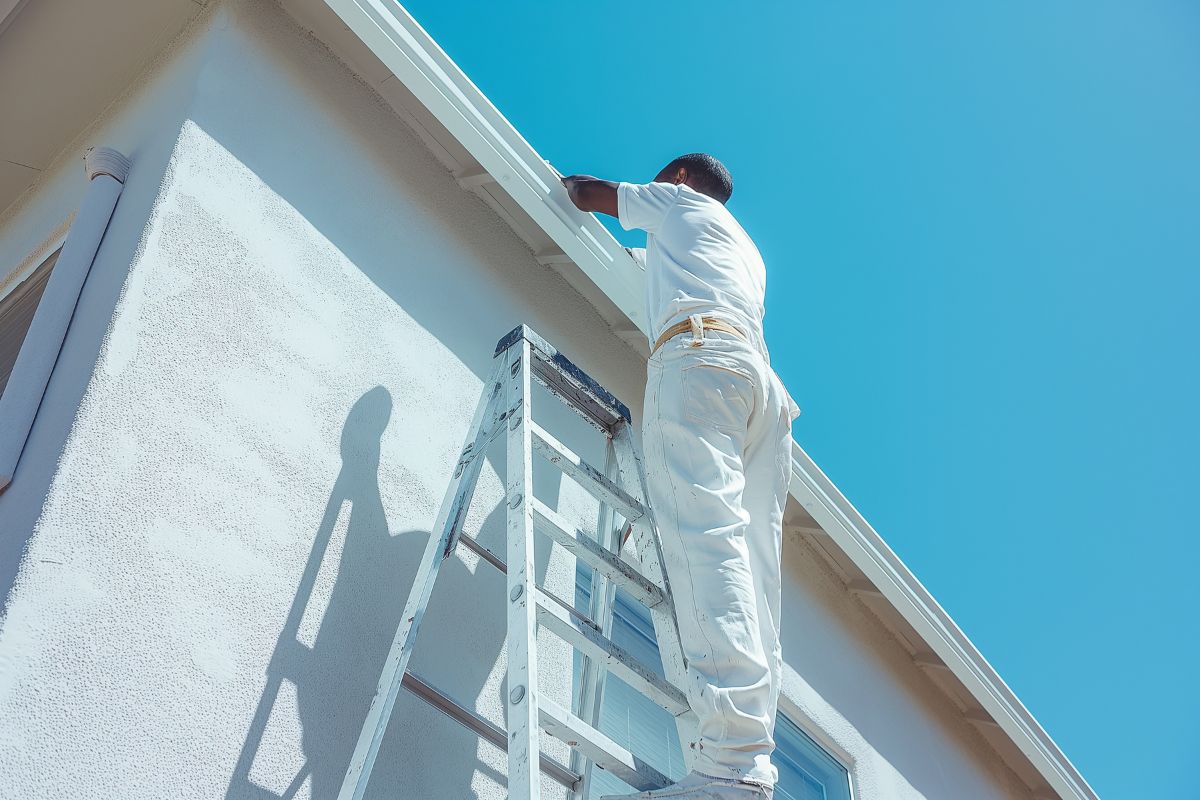
My name’s Robert Vega, and before I ever set foot on a warehouse roof or a shopping centre, I was just a young house painter in Adelaide, lugging ladders around the suburbs and painting whatever people pointed at. Back then, painting meant interiors, exterior walls, trims, decks and fences. If you could see it from the street or the couch, it was fair game.
What hardly anyone ever talked about was the roof.
Like most painters starting out, I didn’t question it at first. The phone rang, I turned up, painted what was on the quote and moved on to the next place. It took a few years, and a lot of time up ladders, before I realised how much we were all ignoring the biggest surface on the house.
Early Days in Adelaide
I started out in Adelaide working with a small crew, doing typical domestic work. One day we’d be repainting a weatherboard cottage, the next we’d be freshening up a brick place in a newer suburb. Inside, we’d roll out new colours in lounges and bedrooms. Outside, we’d scrape and sand weathered facias, tidy up window frames and give front doors a new lease on life.
From the street, those houses often looked great when we were finished. Fresh colour on the walls, neat trims, maybe a newly stained deck. The owners were happy, we got paid, and on to the next job we went.
Then I started looking up.
The Roof Everyone Forgot
Standing on ladders, I had a good view of things most people never really see. I’d be brushing a facia that we’d carefully prepped and painted, then glance across at a roof that was chalky, faded and patchy. Tiles would be worn, metal sheets streaked and dull. From ground level it blended into the background. Up close, it told a different story.
Clients would often talk proudly about their new interior colour scheme or the way the exterior paint made the house “pop” from the street. But when I asked about the roof, I usually got the same answer: it’s fine, it’s not leaking. The roof was treated like a purely functional thing – as long as water wasn’t coming through the ceiling, it didn’t get a second thought.
It struck me as odd. People were spending good money to protect and beautify every other surface, but the one that cops the most sun, wind and rain was left to fend for itself.
Little Clues That Roofs Mattered
The real shift started with small moments. Sometimes a client would ask us to touch up gutters or eaves, so we’d get a closer look at the roof while moving around. I’d see rusty spots where metal met fixings, tiles starting to soften or flake, and old coatings breaking down under years of UV.
On a couple of jobs, real estate agents came past to check progress before a sale. From the front path they’d say, “Looks great,” but once they stepped back across the street and really looked, they’d notice the roof letting down the rest of the house. That’s when I saw how much difference it made to the overall impression, even if most people didn’t consciously think about it.
My curiosity kicked in. I started asking suppliers more questions about roof coatings, heat-reflective finishes and systems designed specifically for tiles and metal. I chatted to roofers and builders about what they were seeing on older roofs. The more I learned, the more it confirmed what my eyes were already telling me.
The Benefits of Roof Painting

Once I started doing full roof repaint and coating jobs, the results were hard to ignore. A tired place suddenly looked newer and more solid. Owners would say neighbours had commented, or agents had bumped up their expectations on sale price.
The benefits were fairly clear:
- Better street appeal, especially for sales or rentals
- Extra protection from UV, corrosion and general weathering
- A chance to deal with minor issues before they turned into leaks
It wasn’t magic, and it didn’t replace proper roof repairs, but a well-prepped and coated roof was clearly doing more work than just looking pretty.
The Turning Point Jobs
There were a few early jobs in Adelaide that really sealed it for me. On one, the owner was hesitant about the extra cost of including the roof. We’d already quoted for the exterior walls and trims. After a fair bit of back-and-forth, they agreed to add the roof coating on the condition we did a small section first so they could see the difference.
We cleaned, repaired and coated one slope of the roof. When they came home that afternoon and saw it side by side with the untouched section, their whole attitude changed. The house looked unbalanced, like it had one new half and one old half. Within minutes, they said, “All right, let’s do the lot.”
After that job, their neighbour asked for a quote. The local agent started mentioning roof painting as part of their pre-sale recommendations. That’s when I realised there was a genuine gap in the market – not just for someone who would paint roofs, but for someone who understood them properly and treated them as a key part of the building, not an afterthought.
Deciding to Specialise
Slowly, I shifted my work away from interiors and smaller domestic repaint jobs. I invested in better safety gear, spray equipment and products specifically designed for roofs. I took more on-site advice from roofers, and paid attention to how different systems behaved over time in Adelaide’s dry heat and occasional wild weather.
Word spread that I was the one to call if you wanted the roof actually looked after, not just the walls. That reputation eventually led me from small houses to townhouses, unit blocks and then larger sites – small commercial buildings first, then warehouses and shopping precincts.
Looking back, it all started with simply noticing what everyone else had learned to ignore.
What Those Early Years Taught Me
Those early Adelaide years taught me that people tend to value what’s at eye level and in their direct line of sight. Interiors and front facades get budget and attention; roofs often get whatever is left over, if anything.
I also saw how that thinking costs money in the long run. A neglected roof doesn’t announce its problems loudly until things are already going wrong: leaks, rust, broken tiles, insulation soaked and mouldy. By the time that happens, the bill is usually higher than it would have been with regular cleaning, repairs and coating.
That simple shift in perspective – treating the roof as a major part of the building’s appearance and protection, not just a lid – is what pushed me to specialise. It’s the same idea that sits behind this blog today.
Why This Story Matters Now
You might not be standing on ladders in suburban Adelaide, but the principle is the same whether you look after a house, a warehouse or a large retail site: if you ignore the roof, you ignore one of the most important parts of the building.
My early days on homes in Adelaide showed me how much difference a well-looked-after roof can make. That realisation shaped the rest of my career, and now, in retirement on the Gold Coast, it shapes the way I talk about roof coating and maintenance here on Commercial Roof Coating.
If this story gets you to look up at your own roof with a more critical eye, then those long days on ladders were well worth it.